

Most Common HVAC Problems Homeowners Face During Extreme Heat
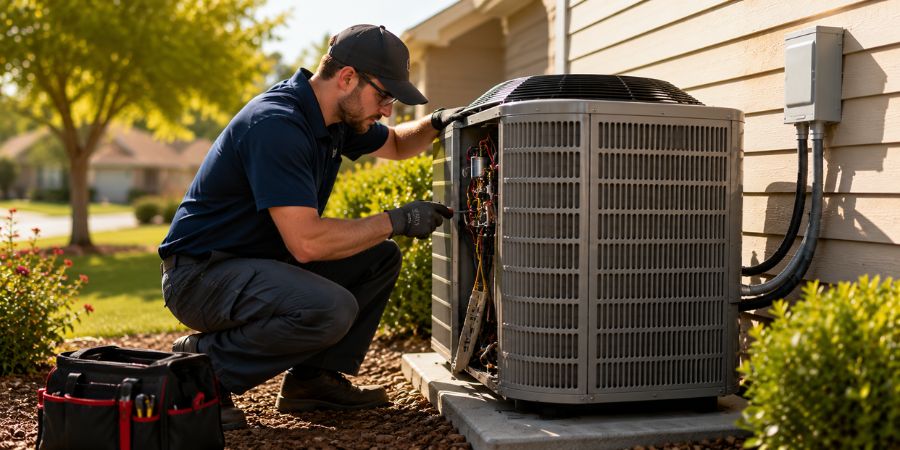
HVAC Technician Checking an AC Unit
Lions Heating and Air Logo
Rising summer temperatures are leading to more HVAC problems for homeowners across Los Angeles. Weak airflow, uneven cooling, and rising energy costs
Addressing smaller HVAC problems earlier can sometimes prevent larger repairs during the hottest parts of summer.”
LOS ANGELES, CA, UNITED STATES, May 27, 2026 /EINPresswire.com/ -- Rising summer temperatures are leading to more HVAC problems for homeowners across Los Angeles. Weak airflow, uneven cooling, and rising energy costs are among the most common issues reported during periods of extreme heat.— Joseph Yehoshua, CEO of Lions Heating & Air
Experts say many of these problems can worsen quickly when systems are not properly maintained.
Extreme Heat Is Putting More Stress on Residential HVAC Systems
During recent periods of extreme heat, air conditioning systems are forced to run longer and more frequently to maintain indoor comfort. This added workload can place stress on important components such as condenser coils, compressors, refrigerant systems, and air filters.
“A lot of homeowners do not realize how hard their HVAC system works during a heat wave,” says the CEO of Lions Heating & Air. “When temperatures stay high for several days in a row, even small issues can quickly turn into major system problems.”
HVAC professionals say neglected maintenance is one of the biggest reasons systems struggle during extreme summer temperatures.
Dirty filters, blocked airflow, clogged coils, and aging components can reduce efficiency and force systems to work harder than necessary. In many cases, this can lead to uneven cooling, higher utility bills, or complete system failure.
Low Refrigerants Are A High Culprit in AC Maintenance
Low refrigerant levels and refrigerant leaks are among the most common air conditioning problems during extreme summer heat. When refrigerant levels drop, AC systems struggle to cool the home properly and may run continuously without reaching the desired temperature.
“A lot of homeowners think their AC just needs to work harder during summer, but refrigerant issues can place serious strain on the entire system,” says the CEO of Lions Heating & Air. “If the problem is ignored for too long, it can eventually damage major components and lead to very costly AC repairs or even full system replacement.”
HVAC professionals say refrigerant leaks can reduce efficiency, increase energy bills, and place excessive stress on compressors during periods of extreme heat.
Warning signs may include warm air coming from vents, longer cooling cycles, frozen coils, or hissing sounds near the unit. Experts say homeowners should address these symptoms early before the damage becomes more severe and expensive.
Poor Airflow and Dirty Components Are Common Summer Problems
Restricted airflow is one of the most common issues homeowners experience during extreme heat. Dirty air filters, clogged ductwork, and neglected evaporator coils can reduce cooling performance and make indoor temperatures harder to control.
Many homeowners do not notice airflow problems until their system begins struggling to keep the home cool during peak summer temperatures.
“If certain rooms feel warmer than others or the system runs constantly without properly cooling the house, airflow could be part of the issue,” the CEO explains. “Small maintenance problems can create major efficiency issues over time.”
HVAC professionals also say dirty condenser coils and blocked outdoor units can make cooling systems less effective. Regular cleaning and inspections may help improve efficiency and reduce strain on the equipment.
Homeowners Are Being Encouraged to Address Small HVAC Problems Early
Many HVAC issues start with minor warning signs that become more serious during periods of extreme heat. Strange noises, weak airflow, rising energy bills, and inconsistent temperatures may indicate developing system problems.
“People often wait until their system completely stops working before calling for help,” says Joseph Yehoshua, CEO of Lions Heating & Air. “Addressing smaller HVAC problems earlier can sometimes prevent larger repairs during the hottest parts of summer.”
Preventative HVAC maintenance is becoming increasingly important as extreme summer temperatures continue affecting residential cooling systems.
As energy costs continue rising across California, more homeowners and renters are exploring energy-efficient HVAC upgrade programs and rebate incentives.
Several state and utility-backed programs now offer financial assistance that can help reduce the cost of replacing older air conditioning systems with newer, energy-efficient models.
“A lot of people do not realize there are programs available that can significantly reduce the cost of upgrading an older AC system,” says Joseph. “In some situations, homeowners or renters may qualify for rebates that make AC replacement much more affordable.”
Energy efficiency rebate programs are helping more California residents replace aging HVAC systems before major breakdowns occur.
HVAC professionals say replacing outdated systems before they fail completely can help homeowners avoid emergency repairs during peak summer temperatures.
Experts also encourage residents to research local rebate programs, schedule professional evaluations, and address aging equipment before extreme heat places additional strain on the system.
Motty Osher
K2 Analytics INC.
email us here
Visit us on social media:
LinkedIn
Instagram
Facebook
YouTube
X
Legal Disclaimer:
EIN Presswire provides this news content "as is" without warranty of any kind. We do not accept any responsibility or liability for the accuracy, content, images, videos, licenses, completeness, legality, or reliability of the information contained in this article. If you have any complaints or copyright issues related to this article, kindly contact the author above.
