
The Moment Ideas Leave the Internet and Enter the College Hall: Testing Knowledge in Real Time
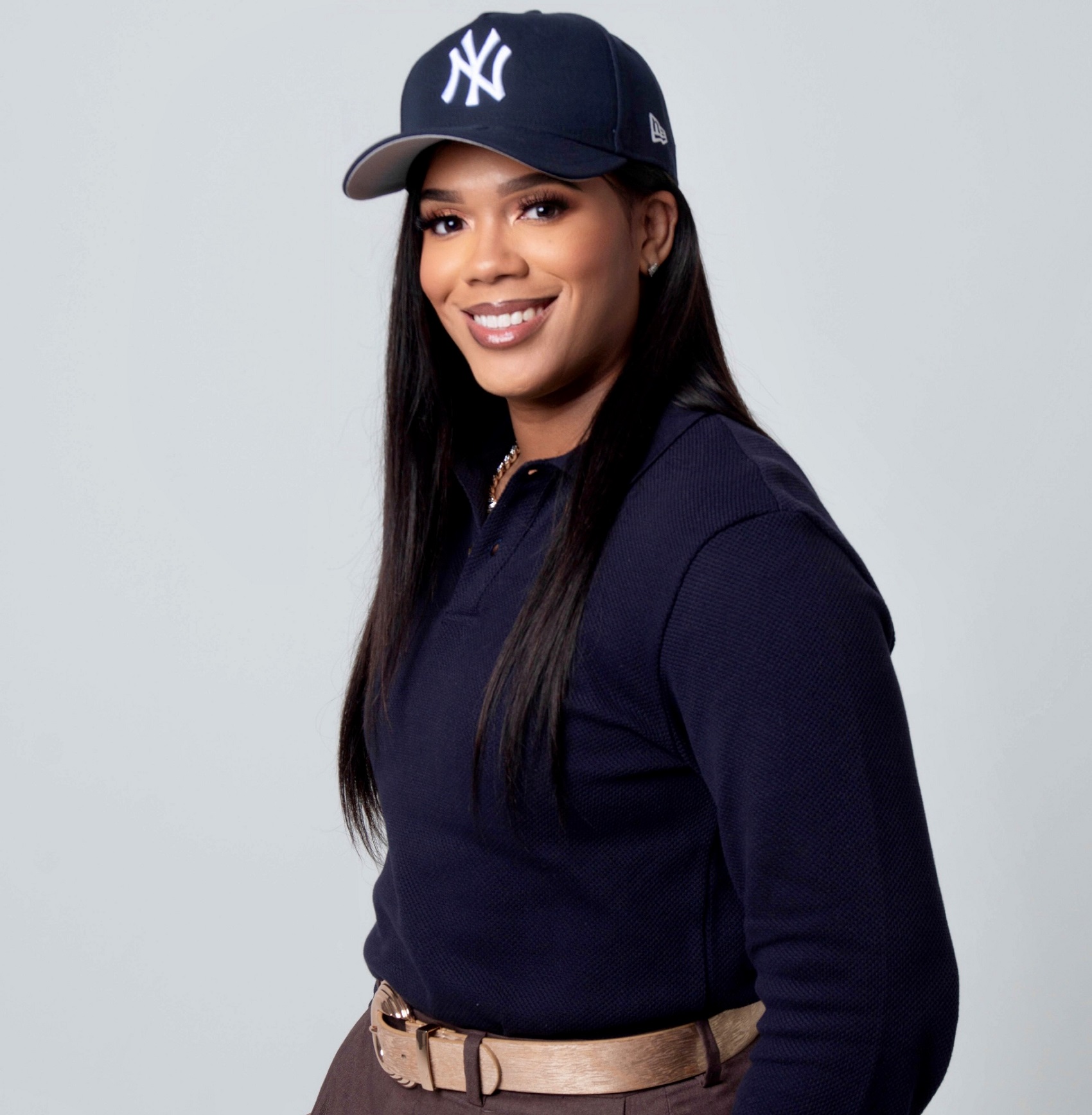
TEDx speaker and author Princella Clark, whose work bridges biology, discipline, and applied knowledge across academic and public platforms
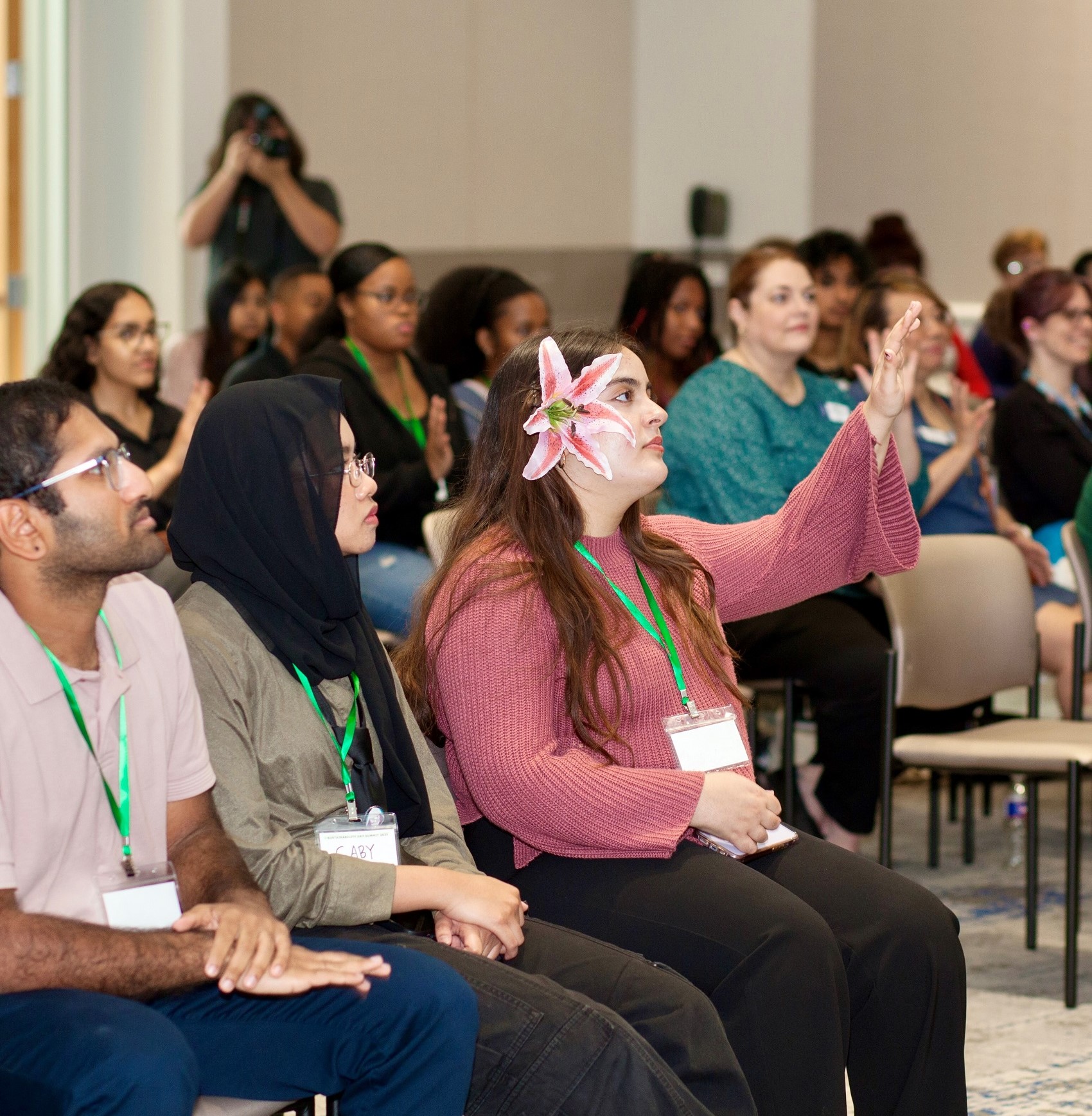
Students from Lone Star College–CyFair engage live during an academic lecture, testing ideas in real time through dialogue, inquiry, and interdisciplinary rigor
HOUSTON, TX, UNITED STATES, December 22, 2025 /EINPresswire.com/ -- Ideas that endure do not stop at reach. They move into rooms where rigor replaces virality and presence replaces performance. At the center of this shift is “The Wire,” a simple but powerful framework delivered live in academic halls. TEDx speaker Princella Clark, Professor P, is advancing this convergence as ideas move from digital platforms to college halls, where concepts are tested live, questioned openly, and absorbed through instruction. Students did not wait for an Amazon or Kindle release; they received the immersive Clark version in real time.
She previewed the thesis of her forthcoming fourth book, “The Wire,” the source text from which the framework is drawn, with students guided by scientific instruction and a commitment to giving back to the next generation. The framework is defined by four inputs: work, information, relationships, and experiences. Each component of the book reflects a biological input stream.
More recently, this thematic progression manifested in an academic setting, where Clark was invited by Dr. Sarah Morgan, Professor of Biology and Environmental Science at Lone Star College–CyFair, to deliver a lecture to students in a setting known for interdisciplinary rigor. For context, Dr. Morgan is widely recognized for helping launch the college’s inaugural Sustainability Day Summit, where biology is examined not as an isolated science but in relation to energy systems. It is there that Clark and Dr. Morgan engaged students directly. The invitation reflected confidence in Clark’s ability to translate scientific principles beyond theory and into applied awareness.
As evidenced through Clark’s prior public engagements, her traction across digital platforms and live forums confirms that her frameworks hold under pressure and across audiences that rarely overlap, while her ability to dial in for scope and intent preserves precision in delivery. Left unchecked, these inputs condition behavior. When consciously engaged, they become variables that can be adjusted rather than forces that dominate. Students were encouraged to engage with these concepts directly.
Building on the foundational seven characteristics of biology, life is often described as reactive: responding to stimuli, adapting to environments, consuming energy, processing information, and maintaining equilibrium. Yet biology alone does not explain direction. It explains function, not intent. What emerged in the lecture was conscious awareness that rises above these characteristics: the capacity to recognize stimuli without being ruled by them and to choose outcomes rather than merely react. It is within this gap that Clark’s work operates, providing students with direct experiential engagement.
Clark’s academic background in Biology, Molecular Biology, and Molecular and Cellular Biology provided immediate technical credibility. However, the lecture’s impact extended beyond coursework. Rather than confining biology to the laboratory, she translated biological principles into lived environments, demonstrating how biological response mechanisms manifest in behavior, relationships, and societal structures. Students were not simply taught biology. They were guided to observe their own biological conditioning in real time and recognize how awareness can interrupt unconscious cycles.
Looking ahead to 2026, Clark situates this work with clarity: “Ideas only endure when they are tested in the presence of people, not protected by platforms. My work is about taking knowledge out of laboratories and into environments where it must function, adapt, and hold.” As a U.S. Army veteran and former military officer (2004–2012), Clark operates from a discipline shaped by structure and consequence. Her progression from military service to biological study, to published author, through TEDx-level public delivery and into academic engagement reflects a single throughline: knowledge achieves durability only when it is operationalized, embodied, and applied.
Press Relations
Meta Mastery University
email us here
Visit us on social media:
LinkedIn
Legal Disclaimer:
EIN Presswire provides this news content "as is" without warranty of any kind. We do not accept any responsibility or liability for the accuracy, content, images, videos, licenses, completeness, legality, or reliability of the information contained in this article. If you have any complaints or copyright issues related to this article, kindly contact the author above.
